
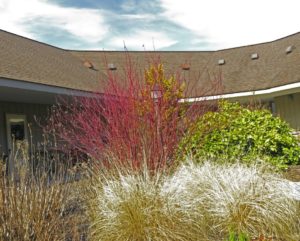
February 18, 2018 – Sibirica
If you are longing for a bit of bright red color at this time of the year, you could visit Courts 6 and 13 on the Medford Campus to see the Cornus alba ‘Sibirica,” a deciduous shrub that is known for its brilliant red stems in the winter. This multi-branch shrub is particularly showy on sunny days with snow on
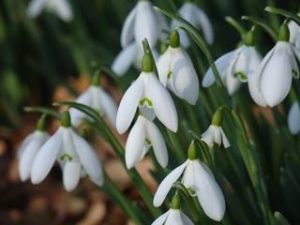
February 11, 2018 – Snowdrop Flower Bulbs
A sure sign of spring to come arrived this past week with the first blooming of snowdrop flower bulbs (Galanthus) in the Atrium of the Community Building on the Medford Campus.
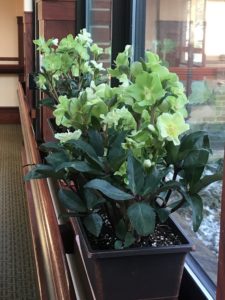
February 4, 2018 – Indoor Plantings
Along the walkway between the Coffee Shop and the Estaugh Building, you will see containers of hellebores. Genus Helleborus consists of approximately 20 species of herbaceous or evergreen perennial flowering plant.
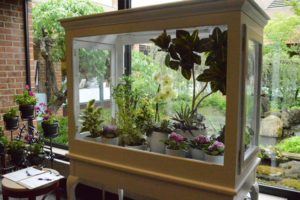
January 28, 2018 – Eighth Annual Evening in the Arboretum
This event is designed to raise funds for the enhancement of the Arboretum, and will include Wine and Craft Beer Tastings, Hearty Hors d’ Oeuvres, Live Music, and a Silent Auction.
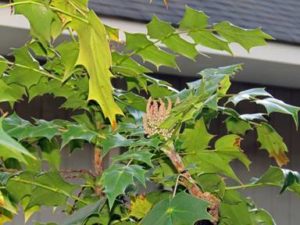
January 21, 2018 – Broadleaved Evergreens
Broadleaved evergreens include boxwoods, hollies, Magnolia grandiflora, leatherleaf mahonia, azaleas, rhododendron, and even the yucca. These elements in the garden provide color for the eye to enjoy all through the winter season.
January 14, 2018 – Snow
While we all may have differing opinions on the desirability of snow, we do know that snow does have some benefits for trees and plantings. One major benefit of a good snow cover is that the snow functions as an excellent insulator of the soil. Without snow, very cold temperatures can freeze the soil deeper and deeper, which could lead