
During the last week of February on a walk around the Medford campus, I stopped by my garden plot at the Farm. I keep a small, simple wire compost bin there and throughout the year fill it with vegetable and fruit parings, dried leaves, and non-flowering weeds. While in the garden, I noticed an insect flying out of the compost. I pulled out my iPhone and managed to get a decent photograph. Back home, with the help of a phone app, I identified the insect similar to the images shown here:
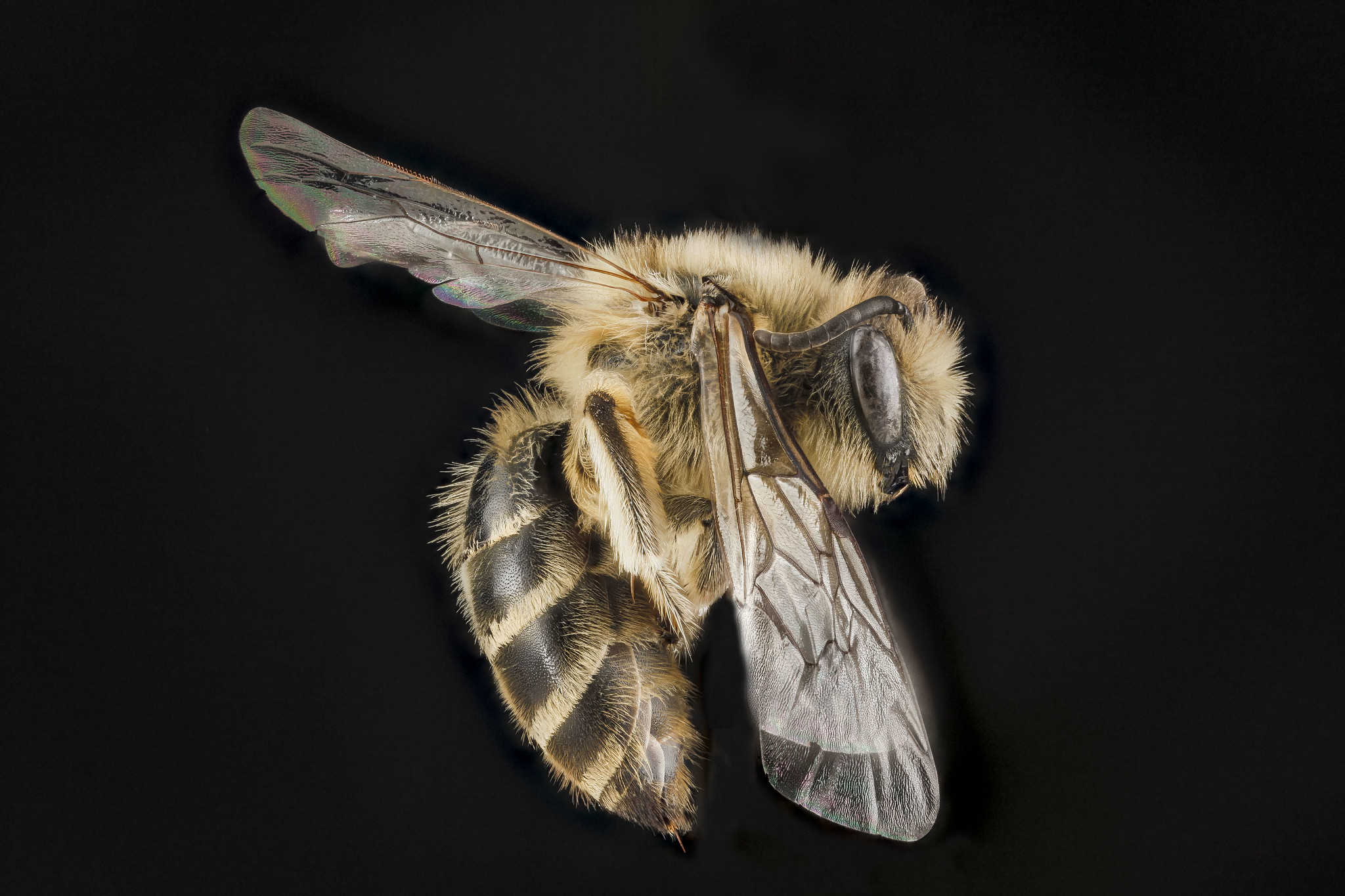
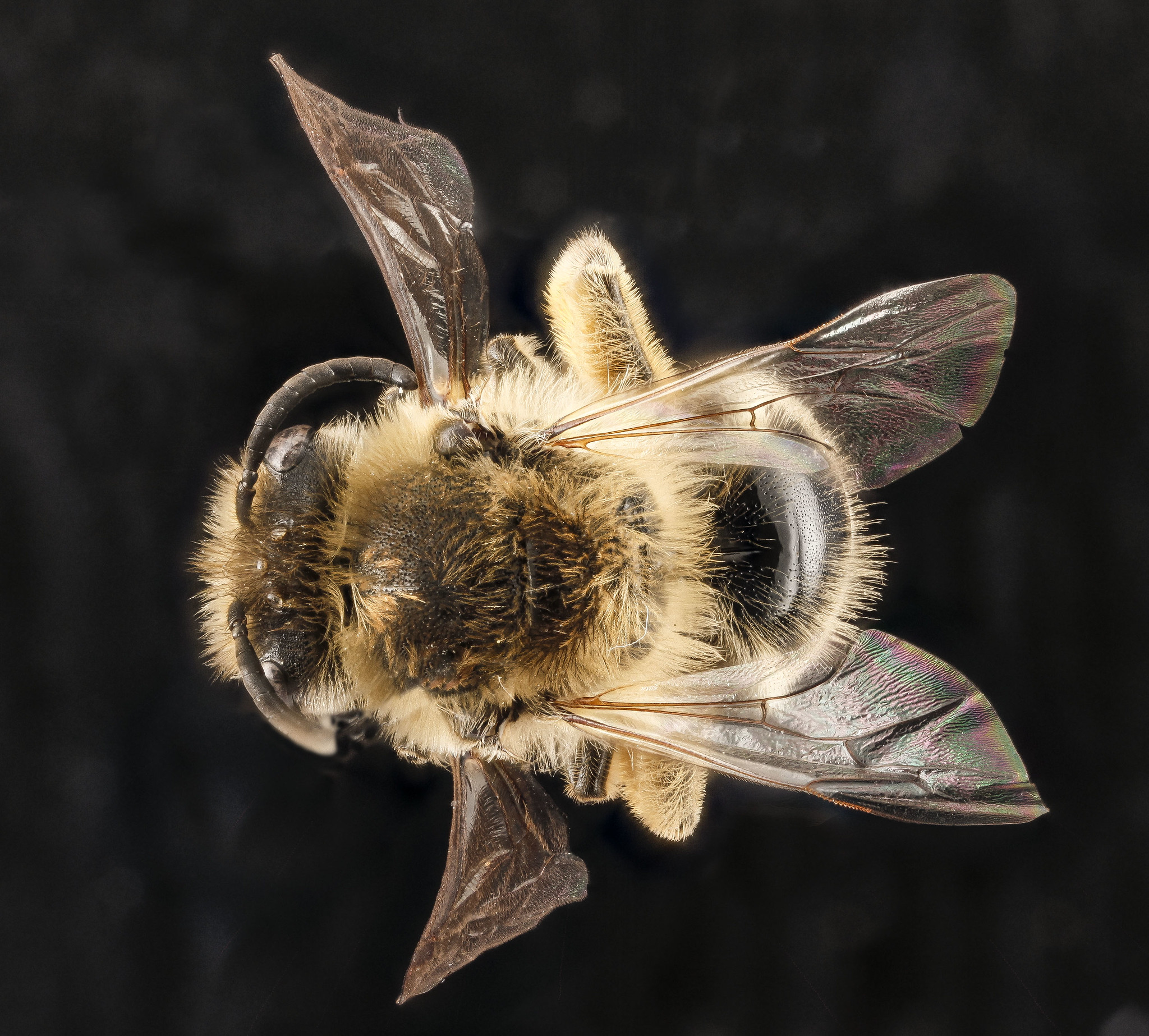
My bee was an unequal cellophane bee (Colletes inaequalis), one of a large genus of bees known as plasterer bees. Here in the Northeast, the unequal cellophane bee is an early harbinger of spring. It is the first of its genus to appear and has a special place in our ecosystem. It is a pollinator of our earliest blooming native trees, including red maples, willows, and apple trees. The bees are called plasterer bees because they build cells in underground nests that are lined with a polyester-like substance that makes their nests waterproof. They use their tongues to paint the interior of their tunnels with a glandular secretion mixed with saliva that produces this polyester-like material. Thus, their developing larvae are nurtured inside a natural plastic bag that is strong, mold-resistant and waterproof. Last year’s larvae develop into pupae through the summer and overwinter as adults in the underground nests. Emerging in the spring, they feed on nectar and pollen to encourage successful reproduction. The female deposits eggs in nest cells that she stores with pollen and nectar for the emerging larvae, and at this point the adult life cycle is complete. Look for cellophane bee nests in areas that warm up early in the spring and where there is little vegetation. They are frequently mistaken for ant hills and during mating you will see lots of males flying low around the nests.
— Judy Austermiller
from Medford Leas Life, April 2025